
Popular Tree Removal Products For Safe and Effective Work
Explore essential tools and gear that help you perform tree removal tasks with confidence and precision.
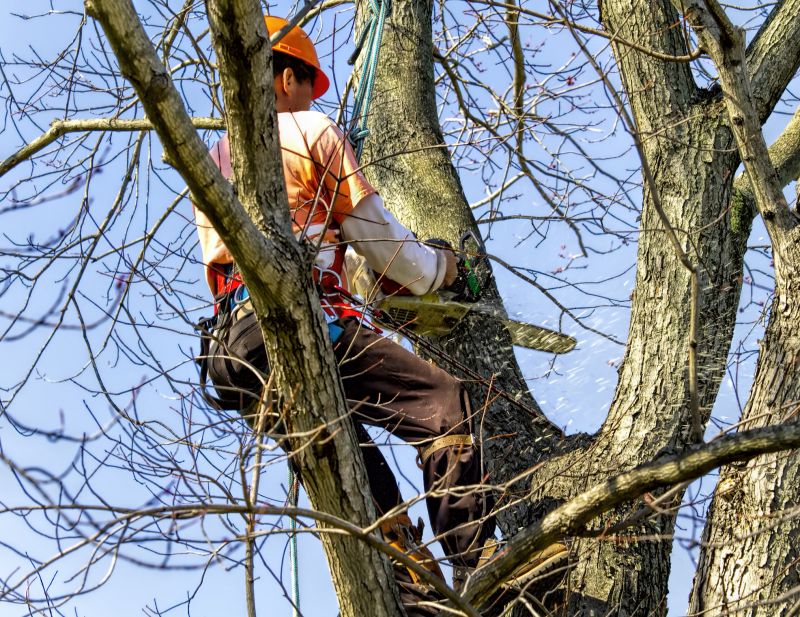 Tree removal is a task that often requires specialized equipment and careful planning to ensure safety and efficiency. Whether dealing with hazardous limbs, diseased trees, or clearing space for construction, having the right tools can make a significant difference. From manual tools to powered machinery, the options available cater to various needs and levels of expertise. Proper selection of tree removal products can help minimize risks and improve the success of the operation.
Top Overall Option
Power Chainsaw
A versatile power chainsaw offers the ability to handle a wide range of tree removal tasks. Designed for durability and ease of use, it can cut through thick branches and trunks with relative efficiency when operated responsibly. Features such as adjustable bar length, safety mechanisms, and easy maintenance make it a practical choice for various removal projects. Proper training and safety precautions are essential when using a chainsaw to ensure safe operation.
Types of Products For Tree Removals
Manual Pruning Saws
Ideal for detailed pruning and smaller cuts, manual pruning saws are lightweight and easy to handle, providing precise control for delicate branches.
Pole Pruners
Extendable tools designed for reaching high branches safely from the ground, reducing the need for ladders.
Chainsaws
Power tools suitable for cutting through large trunks and limbs, available in gas, electric, and battery-powered models.
Loppers
Long-handled cutting tools for trimming medium-sized branches with leverage and control.
Hand Saws
Manual saws for smaller branches and detailed cuts, offering portability and precision.
Stump Grinders
Machines designed to grind down tree stumps, facilitating landscape restoration after removal.
Aerial Lifts
Equipment that provides elevated access to high branches, useful for large or hard-to-reach trees.
Safety Gear
Includes helmets, gloves, eye protection, and hearing protection to ensure safety during removal tasks.
Ropes and Harnesses
Used for controlled climbing or securing limbs during removal, enhancing safety and precision.
Debris Chippers
Machines that convert branches and limbs into mulch, simplifying cleanup after removal.
Winches
Mechanical devices for pulling or lowering heavy limbs safely from the ground.
Popular Choices
Portable and easy to handle, these chainsaws are popular for small to medium removal projects without the hassle of cords or fuel.
Ideal for reaching high branches safely from the ground, especially in tight spaces.
Handheld tools for quick trimming of smaller limbs and branches.
Compact, walk-behind machines designed for efficient stump grinding in residential landscapes.
Used for controlled limb lowering, reducing the risk of damage or injury.
Popular for their portability and ease of use, suitable for various removal tasks around the yard.
Essential safety equipment that provides head protection during tree work.
Versatile for reaching tall trees without the need for climbing.
Useful for trimming smaller branches and preparing trees for removal.
Tools that bore into the ground to facilitate easier stump removal.
For professional arborists, these spikes assist in climbing and limb removal.
Provide additional security for workers operating at heights.
Help in reducing debris volume by converting branches into mulch on-site.
Assist in controlled tree felling by guiding the direction of the fall.
Powerful tools for cutting thick branches with minimal effort.
In Surprise, AZ, where the landscape features a mix of desert flora and mature trees, choosing appropriate tree removal products is essential for effective yard maintenance and safety. It is important to assess the size and type of trees involved, as well as the surrounding environment, to determine the most suitable equipment. Safety should always be a priority, so selecting products with reliable safety features and proper handling instructions is crucial.
For larger trees or those in difficult locations, powered tools such as chainsaws and pole saws are often preferred. For smaller or more delicate tasks, manual hand tools like pruning saws and loppers can suffice. Additionally, accessories like stump grinders or safety gear including helmets and gloves can enhance safety and efficiency. Proper training and understanding of each product's capabilities can help ensure a smooth and safe removal process, whether performed by professionals or experienced homeowners.
Key Buying Considerations
- Tree size and type: Larger or harder wood trees may require more powerful equipment.
- Safety features: Look for products with safety guards, automatic shut-offs, and ergonomic designs.
- Power source: Decide between gas, electric, or battery-powered tools based on mobility and convenience.
- Reach and height: Consider tools like pole pruners or aerial lifts for high branches.
- Ease of use: Select equipment that matches your experience level and physical ability.
- Maintenance requirements: Check how easy it is to service and maintain the tools.
- Durability: Opt for well-constructed products that can withstand frequent use.
- Budget: Balance the cost with the features and quality needed for your projects.
- Environmental conditions: Choose equipment suitable for outdoor use in your local climate.
- Storage and portability: Ensure tools are easy to store and transport if needed.
- Accessory compatibility: Verify if additional attachments or accessories are available.
- Noise levels: Consider quieter options if working in noise-sensitive areas.
- Availability of replacement parts: Check if spare parts and service support are accessible.
- Legal and safety compliance: Ensure tools meet local safety regulations and standards.
- User reviews and ratings: Research feedback from other users to gauge reliability and performance.